okay @chigrima@silvysartfulness I need you guys to help me out: what are the actual Swedish phrases AND WHAT DO THESE MEAN?!
@chigrima is probably replying to this as I type, but that only means you get twice the swedesplaining, @speculativexenolinguist
. u.u
– now you’ve shat in the blue cupboard
Actual phrase: Nu har du skitit i det blå skåpet.
As far as a I know, this one dates back to ye olde times, where you’d store the night pot in a cupboard by the bed. In the kitchen area, you had another fancier cabinet (blue, for example, is fancy, maybe some flowers painted on there, pretty stuff) where you kept the “china” to eat on. So to say you’ve shat in the blue cupboard means you’ve made a huge mistake – like using your dinner china for going poo-poo in.
– the taste is like the butt (divided)
Actual phrase:Smaken är som baken – delad
Literally means that just the way the butt is split into two ass-cheeks, so peoples’ tastes and preferences may be divided. The last part of the idiom is often left out since everyone knows what it is.
– there’s no cow on the ice
Actual phrase:Det är ingen ko på isen.
A cow that’s gotten lost from the pasture and wandered onto the frozen nearby body of water is bad. You may end up with drowned cow. So as long as there’s no cow on the ice, whatever you need to do isn’t really in a hurry. If there WAS a cow on the ice, you’d be in a rush to fix it before it got worse, though.
– i sense owls in the marsh
Actual phrase:Jag anar ugglor i mossen
It means to suspect foul play (fowl play, ha, see it works in English, too), that something’s not quite right. Since I didn’t know how it originated, I’ll leave you with the wisdom of Wikipedia – it’s originally a Danish idiom where the owls were actually wolves (which makes more sense, something creepy’s about) that got mistranslated into owls because apparently unbaptised children who died out of wedlock turned into owly marsh-spirits-… you know, that’s fucked up creepy, too. That, and I now feel a very strong urge to incorporate cursed owl-featured child-zombies of the marshes into like ALL my original stories. Anyway. Moving on.
– to walk like a cat around hot porridge
Actual phrase:Att gå som katten kring het gröt.
Circling but evading an issue, being reluctant to bring something up. Porridge was often served with butter and milk, which were tasties for cats. But the porridge was too hot, so the cat would just slink around, waiting for it to cool down. So evading something until, preferably, someone else brings it up or it goes away. Like the heat of the porridge.
– don’t paint the devil on the wall
Actual phrase:Måla inte fan på väggen
This is so visually poetic. It means you shouldn’t invite trouble, or borrow misery. Things might just work out fine, so if you start painting up vivid scenarios of everything that COULD go wrong, you may end up screwing things up for yourself. Don’t.
– to be out biking
Actual phrase: Nu är du helt ute och cyklar
Means to be completely and utterly wrong, way off topic, making no sense. Like being out biking and getting yourself utterly lost. Which happens faster if you’re biking than walking? Or something.
– cake on cake
Actual phrase: tårta på tårta
Literally means to stack one cake on top of another. Ie doing something to extreme excess, exaggerating, too much of any one thing. Is often used about language taking a turn for the purpler – you needn’t describe the polar bear to be furry and white, it’s a polar bear, they’re ALWAYS furry and white, kinda thing.
Finally, because no post about Swedish is complete without it, I shall add on my very favourite Swedish insult: Skitstövel. It literally means shit-boot, and I think that’s beautiful.
Speaking of linguistics, there’s one particular linguistic tick that I think clearly separates Baby Boomers from Millennials: how we reply when someone says “thank you.”
You almost never hear a Millennial say “you’re welcome.” At least not when someone thanks them. It just isn’t done. Not because Millenials are ingrates lacking all manners, but because the polite response is “No problem.” Millennials only use “you’re welcome” sarcastically when they haven’t been thanked or when something has been taken from/done to them without their consent. It’s a phrase that’s used to point out someone else’s rudeness. A Millenial would typically be fairly uncomfortable saying “you’re welcome” as an acknowledgement of genuine thanks because the phrase is only ever used disengenuously.
Baby Boomers, however, get really miffed if someone says “no problem” in response to being thanked. From their perspective, saying “no problem” means that whatever they’re thanking someone for was in fact a problem, but the other person did it anyway as a personal favor. To them “You’re welcome” is the standard polite response.
“You’re welcome” means to Millennials what “no problem” means to Baby Boomers, and vice versa.The two phrases have converse meanings to the different age sets. I’m not sure exactly where this line gets drawn, but it’s somewhere in the middle of Gen X. This is a real pain in the ass if you work in customer service because everyone thinks that everyone else is being rude when they’re really being polite in their own language.
Something interesting to note is also the more literal meaning behind these two phrases and how they themselves differ and oppose each other
‘No problem’, coming from a millenials mouth, within the context of helping someone – whether it be holding a door open/picking up something someone may have dropped/ect. – and, naturally, being thanked for it, implies that the kind gesture was indeed, not a problem, that it was just the thing to do, that they were happy to help and that no thanks was really necessary.
While a Baby Boomer’s ‘You’re welcome’ in contrast, says something miles different, it actually highlights the fact that the person went out of their way to help someone; almost brings attention to it in a way, saying ‘Yeah, I helped you, I did you this favor I accept your thanks.’ which, malicious intent or not, is strikingly different than the millennial downplay of their act of kindness for the sake of helping someone.
It’s like millennials do not understand that middle east has been at war for 1000′s of years. That we intervened on behalf of Kuwait. That without “bombing” people that want to kill and oppress others, millions will be murdered and tortured.
“at war for 1000′s of years”
you clearly know nothing about Afghanistan nor the middle east
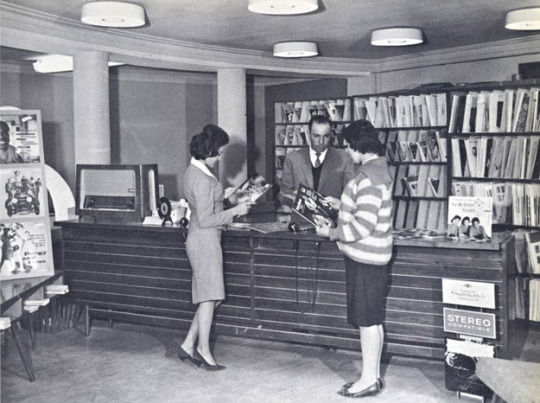
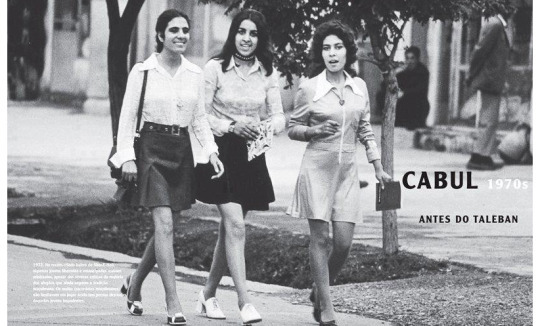
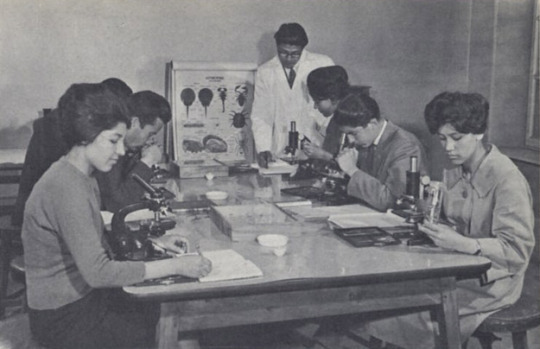
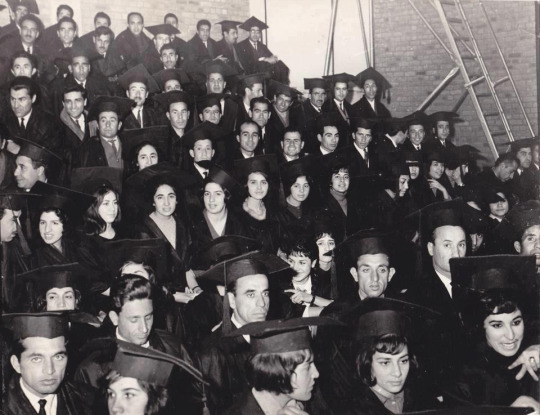
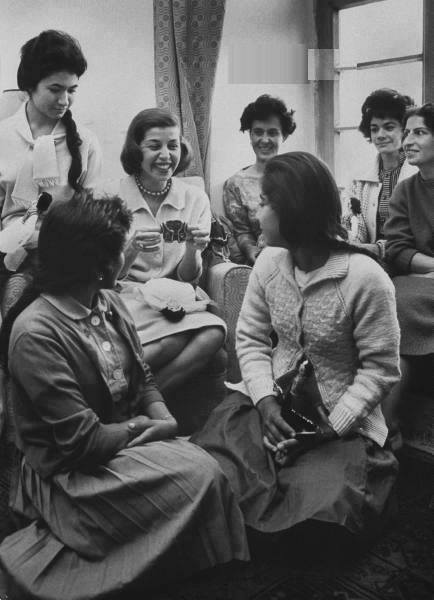
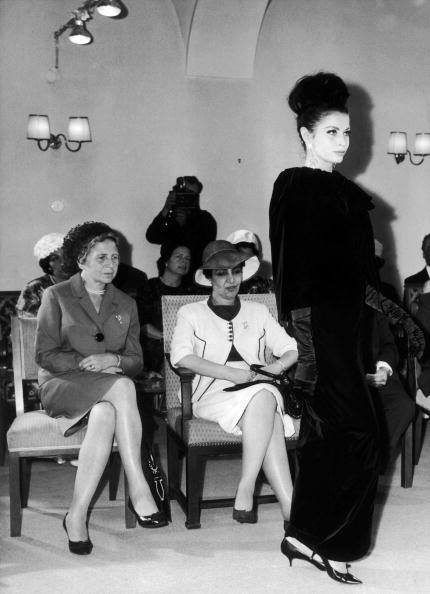
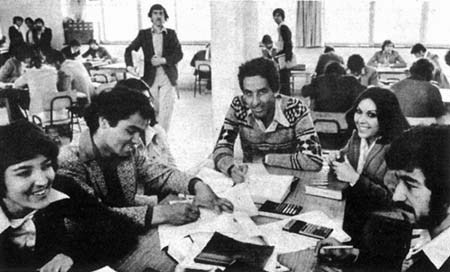
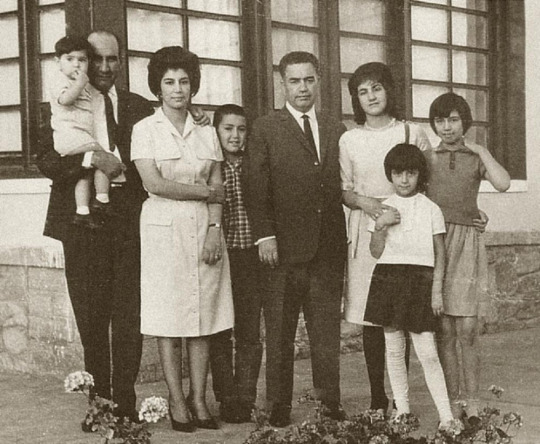
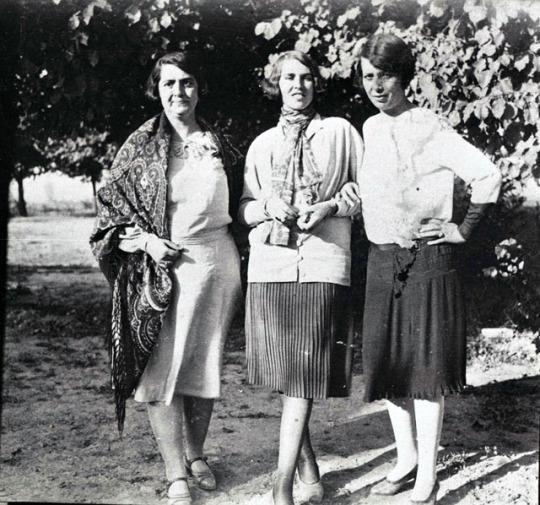
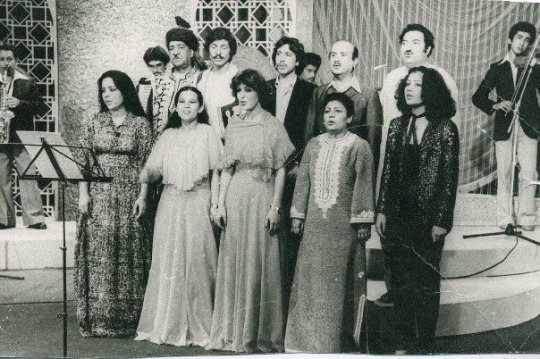
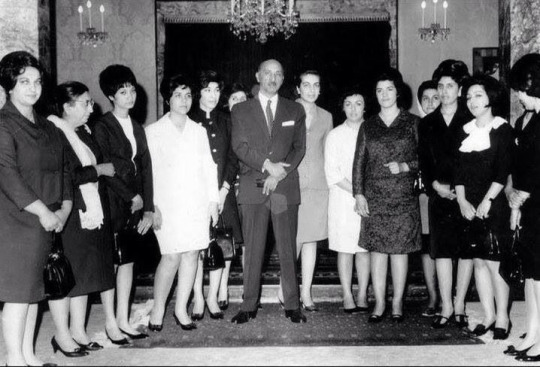
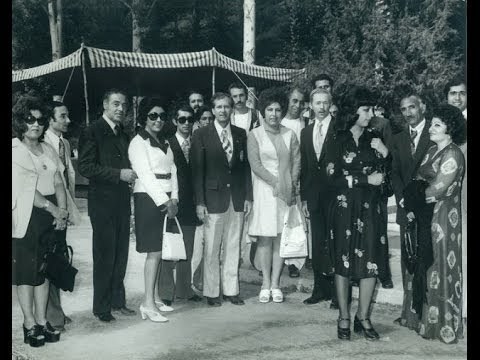
It’s interesting to note that when the communist government came to power in Afghanistan in the late 70′s, one of the first things they did was declare equality of the sexes, made education for girls mandatory, & banned child marriages. The conservative tribal leaders who the US armed & funded (& who later became the Taliban) declared this to be a “war on Islam” & fought against the central government.
The US had no problem back then with encouraging the growth of Islamic conservatism to counter socialism/communism. You created your biggest enemy & you have no one to blame but yourselves.
BLESS THIS POST
its crazy to me how the US talks about war in the middle east as if its this ancient problem inherent to the area instead of a recent problem created by western countries to further their own interests.
had a dream last night that the Daleks got wind of the phrase “an apple a day keeps the Doctor away” and, y’know, took it literally. they built this massive fucking fortress out of fucking apples and just like chilled in there and Rose was like “doctor wot r u gonna do” and ten was just like “i’m not gonna do anything, maybe they’ll just sit quietly in their apple dome”









 JainaSolo1994